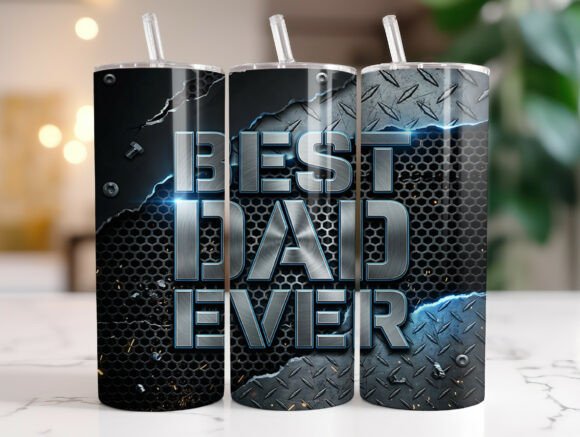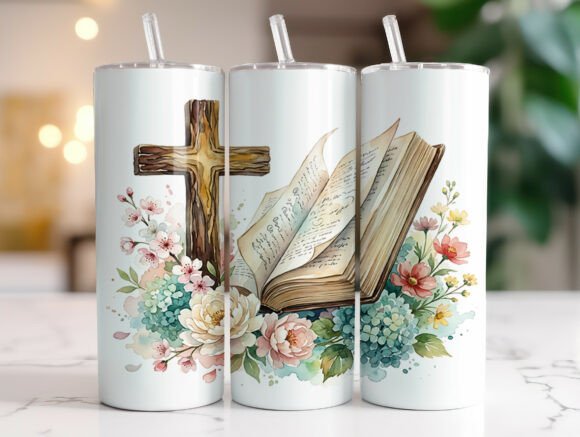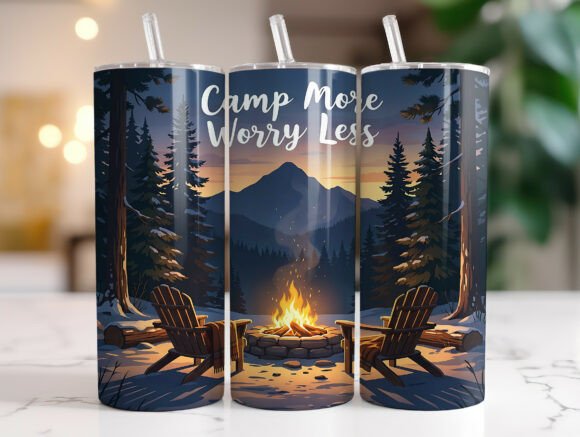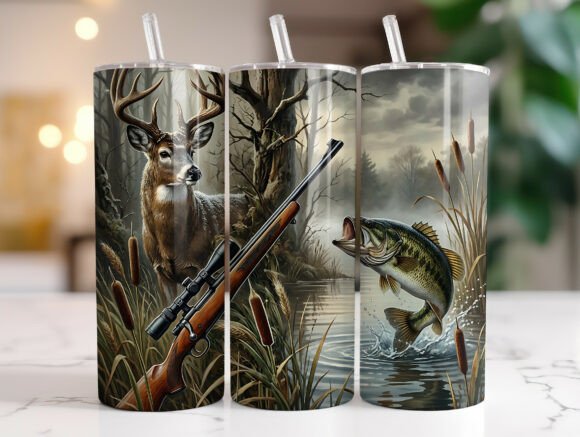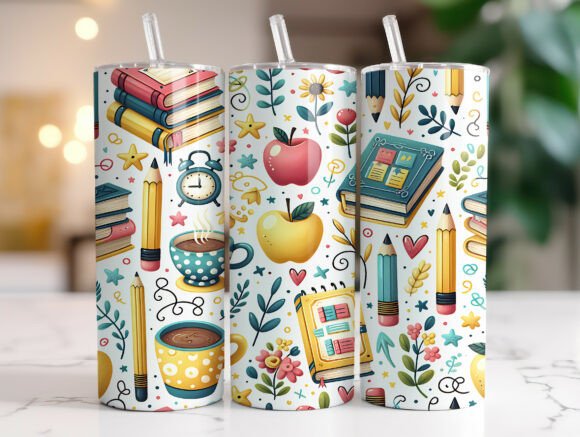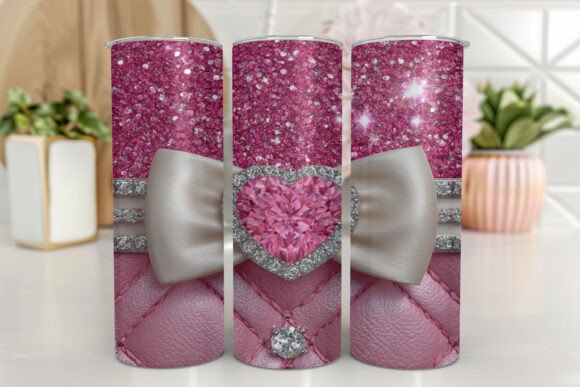
20oz Seamless Sublimation Tumbler Design Review
As a designer who has spent years both creating and testing embroidery files for real-world projects, I approach every new design with a practical eye. When I first opened the 20oz Seamless Sublimation Tumbler Design, I was preparing a custom embroidered tote bag for a local boutique order. The client wanted something that felt modern yet handcrafted, and I needed a design that could translate well from a digital concept into actual stitching. This review comes from that place—the worktable, not the download page. Let me walk you through what this design offers, how it performs in real embroidery projects, and where you’ll want to use it carefully.
First Impressions and Visual Personality
The 20oz Seamless Sublimation Tumbler Design immediately struck me as clean and balanced. Its layout is tailored for a straight skinny tumbler, measuring 9.3 inches by 8.2 inches at 300 DPI, which gives it a generous canvas for detail. The mood is contemporary and versatile—not overly ornate, but not minimal to the point of feeling generic. It carries a professional polish that makes it suitable for both gift items and commercial product lines. For an embroidery project, the visual personality matters because it tells you what kind of finished product the design will best serve. This one leans toward boutique-style merchandise: think personalized gifts, small shop inventory, and holiday offerings that need to feel intentional without being fussy. The seamless nature of the layout is a strong point, especially for tumblers, but it also hints at how well the design might adapt to other surfaces when used as an embroidery file.
Real Embroidery Performance Across Projects
I tested the 20oz Seamless Sublimation Tumbler Design in several real-life scenarios, starting with that custom tote bag. The design’s dimensions and detail level work well on medium to large embroidery hoops. On a structured tote, the satin stitch and fill stitch areas held their shape nicely, with clean edges and good coverage. The stitch density felt appropriate for the fabric weight—not so dense that it puckered the material, but substantial enough to give the design presence. I also tried it on a sweatshirt for a small batch of holiday gifts, and the results were equally strong. The design’s layout adapts to the fabric’s drape without losing its alignment, which is crucial for custom apparel. For baby embroidery, the design’s softer lines and lack of sharp corners make it a solid choice, provided you scale it down carefully and use a lightweight stabilizer. On caps and hats, the curved surface requires extra attention—the design’s seamless nature helps, but you’ll want to test it on a curved hoop to ensure the elements don’t distort. For embroidered patches, the design’s clear outlines and manageable stitch count make it a good candidate. I stitched a few patches for a craft fair, and the clients appreciated the blend of modern style with handmade texture. The design also works well on pillow covers, tea towels, and blankets, where the fabric is stable and the design can be the focal point. For nursery decor and wedding gifts, its clean aesthetic feels appropriate and giftable. For Etsy sellers and small shop products, this design offers a reliable option that can be used across multiple product types, from apparel to home goods. The digital file itself is a high-resolution PNG, which is excellent for printable mockups and digital product previews. If you’re selling finished items or using the design for commercial embroidery, the file’s clarity ensures your customers see a polished preview before they buy.
Where to Use This Design with Care
Every designer needs to know where a design might struggle, and the 20oz Seamless Sublimation Tumbler Design has a few considerations. First, the design is sized for a 20oz tumbler, which is a large canvas. If you’re working with small hoop sizes—like a 4x4 or 5x7—you’ll need to scale the design down, which could affect the readability of finer details. I recommend testing a scaled version on scrap fabric before committing to a final product. On textured fabrics like linen, tweed, or heavy knits, the satin stitch may not sit as cleanly as on smooth materials. Consider using a cutaway stabilizer to support the stitches. Thin or stretchy fabrics, such as lightweight t-shirts or jersey, require careful hooping and a fusible stabilizer to prevent distortion. Dark fabric backgrounds can also be a challenge if the design relies on lighter thread colors. I suggest testing it in black and white mockups first to see how the contrast works. For layered garments or items with multiple seams, check that the design’s placement doesn’t fall on a seam or curve that could cause puckering. Curved surfaces like caps or the sides of a tote bag need extra attention to alignment. The design’s detailed corners and any small lettering should be inspected closely—if the stitch density is too high in those areas, you may need to simplify or enlarge them. For products that need frequent washing, like kitchen towels or baby blankets, use a high-quality stabilizer and test a sample to ensure the design holds up over time. The design’s commercial viability depends on these practical checks, so take the time to confirm your setup before mass production.
Visual Appeal, Stitching Clarity, and Product Value
The 20oz Seamless Sublimation Tumbler Design delivers a strong visual impact when stitched correctly. The clarity of the lines and the balance of the layout translate well into embroidery, giving the finished product a professional look that builds customer trust. For handmade products, this design elevates the presentation without overshadowing the craft. It feels consistent with boutique branding and can be used across a product line to create a cohesive look. The giftability factor is high—customers perceive designs with clean edges and thoughtful layout as more valuable. In my own small shop, I’ve seen that designs like this one generate more engagement because they look good in both the digital mockup and the finished product. That alignment between preview and reality is critical for Etsy sellers and craft fair vendors. The design’s professionalism also supports brand consistency. If you’re using it for commercial embroidery, it’s versatile enough to work with various thread color palettes, from monochrome to multicolor. The buyer engagement starts with the mockup, and this design’s high-resolution file ensures that your mockups look crisp and inviting. The finished product then reinforces that trust, leading to repeat customers and positive reviews.
Practical Designer Notes for Real Use
Before you load this design into your machine, here are the steps I always take when testing a new embroidery file. First, test the 20oz Seamless Sublimation Tumbler Design on scrap fabric that matches the weight and texture of your final product. Check thread color contrast against both light and dark fabric backgrounds. Review the stitch density in the densest areas—if you’re using a fill stitch, make sure it’s not so tight that it causes the fabric to pucker. Confirm your hoop size can accommodate the design at the intended scale. Inspect the small details and any lettering to ensure they are legible at the size you plan to stitch. Test the design in black and white mockups to see how the contrast works without color distraction. Use the appropriate stabilizer for your fabric type: cutaway for stretchy fabrics, tearaway for stable fabrics, and water-soluble for delicate surfaces. If you’re using the design for commercial projects, confirm the licensing terms before selling finished items or digital products. The listing specifies that this is a digital file only, so you’ll need to check whether the license covers commercial use, how many units you can produce, and whether you can sell the design as a digital asset. Since I don’t have the exact stitch count, file format, or machine compatibility details, I recommend you open the file in your embroidery software to verify these specs before stitching. The design is packaged in a .zip archive, so extract the files and review them in your chosen software. If you’re creating an applique design, test the placement of the satin stitch and fill stitch layers to ensure they align with your fabric pieces. For machine embroidery, the design’s seamless nature is a strong asset—fewer stops and starts mean smoother stitching and fewer thread breaks.
Final Thoughts on the Design
The 20oz Seamless Sublimation Tumbler Design is a well-crafted graphic that translates effectively into a variety of embroidery projects. Its clean layout, appropriate detail level, and professional polish make it a solid choice for custom apparel, personalized gifts, small shop merchandise, and commercial embroidery. Whether you’re stitching it onto a tote bag, a sweatshirt, a baby blanket, or a patch, the design holds its own when properly scaled and stabilized. The real value lies in its versatility and the trust it builds with customers who see the same quality in the preview and the finished product. As with any digital embroidery file, take the time to test it thoroughly, check your thread colors, and confirm your hoop size and stabilizer choices. For designers, small business owners, and Etsy sellers who want a reliable design that works across multiple product lines, this one is worth adding to your library. It’s not a flashy, trend-driven piece—it’s a practical, well-executed design that will serve your projects well for seasons to come.