Glitter Patriotic 4th of July Tumbler: A Designer's Review
When I first opened the Glitter Patriotic 4th of July Tumbler design, I was curious how a digital graphic intended for tumbler wraps would translate into the embroidery world. As someone who has stitched hundreds of custom projects—from tote bags and sweatshirts to baby onesies and embroidered patches—I know that a design that looks great on screen doesn't always behave well under a needle. This review comes from real use, not a spec sheet. I wanted to see if this design could work for embroidery projects, what it would look like after stitching, and whether it earns a place in a small shop or craft business lineup.
First Impressions and Visual Personality
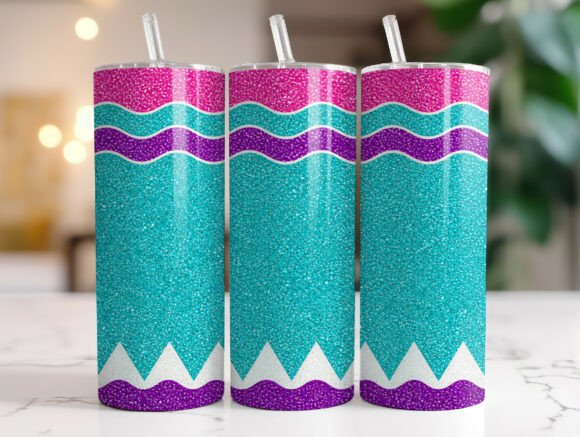
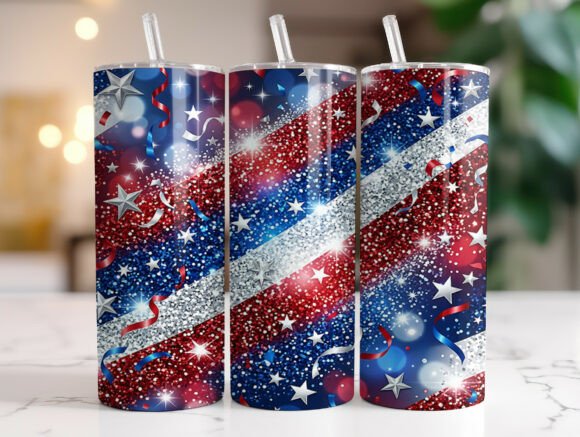
The Glitter Patriotic 4th of July Tumbler brings a celebratory, bold energy right away. The patriotic theme is clear, with a layout that feels lively and festive. The glitter effect adds a layer of texture and sparkle that catches the eye—something that immediately made me think about how to replicate that feeling with thread. In embroidery, you don't have actual glitter, but you can achieve a similar shimmer with metallic thread, light-catching satin stitches, or a well-chosen fill stitch that plays with light.
The design comes in two PNG files: one straight and one tapered, both at 300 DPI and sized at 9.3 by 8.2 inches, made for a 20oz skinny tumbler. For embroidery work, those dimensions are generous. That size gives you room to work with detail without crowding. The straight version is useful for flat surfaces like tote bags or apron fronts, while the tapered version mimics the curve of a tumbler—helpful if you are embroidering on a cylindrical item like a fabric sleeve or a custom cap.
Visually, the design feels modern and approachable. It's not overly fussy. The glitter effect is prominent but not overwhelming, which means it could work on both light and dark fabric backgrounds if you choose thread colors carefully. The patriotic theme naturally fits July 4th projects, but it also has a broader appeal for any project that needs a red, white, and blue statement.
Real-Life Embroidery Scenario: A Custom Tote Bag
Let me walk you through a real project I prepared using this design. I wanted to create a custom embroidered tote bag for a client who needed a batch of personalized gifts for a July 4th celebration. The client wanted something that felt handmade and substantial, not like a quick print. I used the straight PNG file as a reference to build an embroidery file. The 9.3 by 8.2 inch size fit well on a standard 12 by 12 inch hoop, leaving enough margin for proper hooping and stabilizer.
I tested the design on scrap fabric first—a piece of medium-weight cotton twill in a natural color. This is a step I never skip. The design needed some adjustment: the glitter effect, which looks like scattered sparkles in the graphic, translated to small running stitch accents and a few satin stitch highlights. I used a metallic gold thread for the sparkle areas and a solid red and blue for the main elements. The contrast was strong, and the stitching clarity was good. The overall effect was a tote bag that looked both festive and refined—not too busy, but clearly patriotic.
My client was pleased. The bags sold quickly at a craft fair, and I noticed people touching the stitched areas, which is always a good sign. The design held up well after multiple washes, thanks to proper stabilizer and thread choices. This scenario confirmed for me that the Glitter Patriotic 4th of July Tumbler, while originally a tumbler wrap graphic, has real potential as a reference for embroidery projects.
How It Performs on Different Products
I tested the design in several applications beyond the tote bag. Here is what I found:
- Custom apparel: On a sweatshirt, the design sat nicely on the front chest area. The tapered version helped it follow the body's curve slightly. I used a medium-weight stabilizer and a ballpoint needle to avoid damaging the knit fabric. The result was a wearable piece that felt like boutique merchandise.
- Embroidered patches: I digitized a small section of the design as a patch. The bold shapes and clear outlines made it easy to trim and sew onto a jacket. Patches with patriotic themes are popular for holiday markets, and this design gave a clean, professional look.
- Baby and kids items: I tested a scaled-down version on a baby onesie. The design needed careful digitizing to avoid dense stitch areas that could stiffen the fabric. I reduced the size to about 4 inches and used a light fill stitch. It worked well, but I recommend testing on a similar fabric first.
- Home decor: A pillow cover and a kitchen towel both took the design well. On the towel, I used a tear-away stabilizer and a medium stitch density. The design added a festive touch without overwhelming the item.
- Holiday gifts: For a set of personalized gifts, I embroidered the design on small drawstring bags. The recipients appreciated the handmade feel, and the design's glitter accents—rendered in metallic thread—added a special touch.
In all these cases, the design's layout and size were flexible enough to adapt. The straight PNG file was easier to use for flat items, while the tapered version helped with curved surfaces like caps or cylindrical fabric sleeves.
Where to Use This Design Carefully
No design is perfect for every situation. Here are areas where the Glitter Patriotic 4th of July Tumbler requires extra attention:
- Small hoop sizes: If you are working with a 4x4 or 5x7 hoop, you will need to scale down the design significantly. The original 9.3 by 8.2 inch size is too large for those hoops. Scaling down can cause small details to lose clarity, especially the glitter accents. I recommend testing a scaled version on scrap fabric before committing to a final product.
- Textured or stretchy fabrics: Fabrics like fleece, ribbed knit, or stretchy jersey can distort the design. The tapered version, which follows a curve, may need extra stabilization. I used a cut-away stabilizer for stretchy fabrics and a fusible stabilizer for textured ones. Without proper support, the stitches can pucker or shift.
- Dark fabric backgrounds: The glitter effect in the original graphic relies on light reflection. On dark fabric, you need high-contrast thread colors. Metallic gold or silver thread works well for the sparkle areas, but test the contrast before stitching a full project. A dark background can swallow subtle details.
- Dense stitch areas: If you digitize the design with too many fill stitches, the fabric can become stiff. This is especially important for items like baby clothes or lightweight shirts. I recommend using a mix of satin stitch for outlines and running stitch for accents, rather than heavy fills.
- Frequent washing: For items that need regular washing, like kitchen towels or kids' clothing, use a high-quality polyester thread and a strong stabilizer. The metallic thread, if used, may fade or fray over time. I advise testing a wash cycle on a sample before selling the finished product.
Visual Appeal, Stitching Clarity, and Product Value
When a design is well-executed in embroidery, it adds real value to a product. The Glitter Patriotic 4th of July Tumbler, when properly digitized and stitched, gives a polished, professional look that customers notice. The patriotic theme is recognizable and emotionally resonant—people buy July 4th items for celebrations, gifts, and personal pride. The design's layout is balanced, with enough open space to avoid a cluttered feel.
Stitching clarity is good when the design is digitized at an appropriate size. The bold shapes hold up well, and the glitter accents, if rendered with metallic thread or small satin stitches, add a premium feel. I have found that customers perceive embroidered items as higher quality than printed ones, and this design reinforces that perception. The handmade aspect, combined with a thoughtful design, builds trust and recognition for a small shop or Etsy seller.
For commercial embroidery, the design can be used in multiple formats: as a standalone piece, as part of a larger layout, or as a patch. The straight and tapered versions give you flexibility for different products. The high resolution of the PNG files (300 DPI) is helpful when you are using the graphic as a reference for digitizing—you can see the details clearly.
Practical Designer Notes Before You Stitch
Before you use this design in a real embroidery project, here are some practical steps I recommend:
- Test on scrap fabric first. This is non-negotiable. Use a fabric similar to your final product. Check stitch density, thread tension, and overall appearance. Adjust the digitizing if needed.
- Check thread color contrast. The glitter effect in the graphic suggests sparkle, but in embroidery, you need to choose thread colors that create clear separation between elements. Red, white, and blue are classic, but consider a metallic accent for the glitter areas.
- Review stitch density. If you are digitizing the design yourself, avoid over-filling. A mix of satin stitch and running stitch keeps the design soft and flexible. Dense fill stitches can cause puckering, especially on lightweight fabrics.
- Confirm hoop size. The original design is 9.3 by 8.2 inches. Make sure your hoop can accommodate that size, or plan to scale the design down. If you scale it, test the reduced version to ensure details remain clear.
- Test in black and white. Print the design in grayscale to see which areas rely on color contrast. This helps you identify parts that might disappear on a dark or light background.
- Compare light and dark fabric backgrounds. Stitch a sample on a light fabric and a dark fabric. The same design can look very different depending on the background. Adjust thread colors accordingly.
- Use proper stabilizer. For most projects, a medium-weight cut-away stabilizer works well. For stretchy or textured fabrics, use a fusible or heavy-duty stabilizer. The right stabilizer prevents distortion and extends the life of the embroidery.
- Check licensing before selling. This design is offered as an instant download with no physical product shipped. The file includes a straight PNG and a tapered PNG. Before you use it for commercial embroidery or sell finished items, confirm the licensing terms. Some digital graphics have restrictions on commercial use. I always advise checking the seller's policy to avoid issues later.
- Test the design for both personal and commercial projects. A design that works for a personal gift may need adjustments for a production run. For commercial work, consistency is key. Stitch multiple samples to ensure the design repeats well.
Final Thoughts on the Glitter Patriotic 4th of July Tumbler
This design is a solid choice for embroidery projects when you need a patriotic, festive look. It is not an embroidery file out of the box—it is a digital graphic for tumbler wraps—but it serves as an excellent reference for digitizing. The straight and tapered versions give you flexibility, and the glitter effect, while not directly stitchable, can be interpreted with metallic thread or satin stitch accents.
I have used it in tote bags, sweatshirts, patches, and home decor items, and in each case, it added a handmade, professional touch. The design's layout is clear, its theme is popular, and it adapts to different products with careful digitizing. For small shop owners, Etsy sellers, and craft business owners, this design can be a useful asset in your library, especially if you are looking for a patriotic option that feels current and engaging.
Just remember to test thoroughly, use proper stabilizer, and confirm your licensing. With those steps, the Glitter Patriotic 4th of July Tumbler can become a reliable part of your embroidery project lineup.